At Georgia Hearing Center, we understand your busy lifestyle and want to help you make the most of it. We want to make sure you never miss a memorable chat with your grandkids, an important conversation with a colleague, or the punchline of a friend’s joke. With improved hearing, you’ll be ready for all of life’s best — and often unexpected — moments.

Experiencing Hearing Loss?
If so, you are not alone. Hearing loss is one of the biggest health concerns in the U.S. It is the third most commonly reported physical condition, following arthritis and heart disease. It affects roughly 20 percent of the American population and can strike people of all ages.
Top 5 Symptoms of Hearing Loss
- Having trouble following conversations with background noise.
- Missing part of the conversation.
- Feeling like others mumble when they speak.
- Turning the volume on the television up.
- Avoiding social gatherings.
Get Your Hearing Tested
A comprehensive audiology evaluation consists of a series of individual diagnostic tests that measure different aspects of your hearing. Following a physical examination and a review of your medical history, you will be given any or all of the following tests:
- Pure-Tone Testing
- Bone Conduction Testing
- Speech Testing
- Tympanometry
- Acoustic Reflex Testing
- Auditory Brainstem Response
- Otoacoustic Emissions

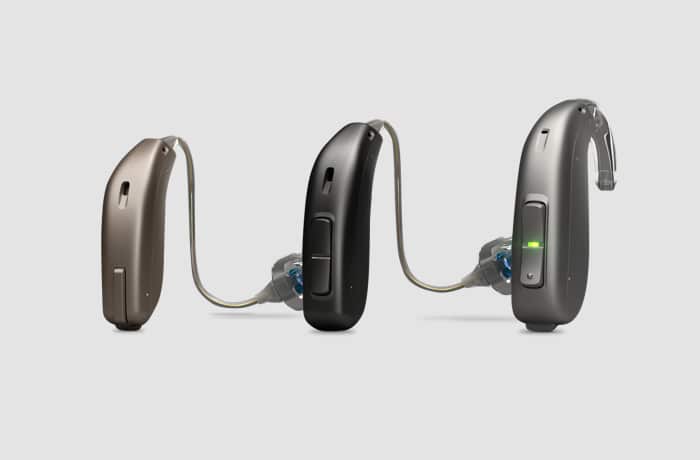
Considering Hearing Aids
For most individuals with hearing loss, the use of a hearing aid can provide an enormous amount of benefits, more than simply improving your hearing. Below are the benefits many patients see when they decide to finally seek treatment for their hearing loss.
- Improved general health
- Improved professional success
- Improved emotional well-being
Need Help with Dizziness & Balance?
A balance disorder is a condition marked by the symptoms of feeling unsteady or dizzy. Even while standing, lying or sitting still, a person will feel as if they are moving, spinning or floating. The most common balance disorders are:
- Benign paroxysmal positional vertigo
- Meniere’s disease
- Labyrinthitis

Get In Touch
With Us!
To request an appointment or to connect with our team, please complete the form. Our team will contact you during our regular business hours. For a medical emergency, please call 911.